

The Role Of Veterinary Clinics In Early Disease Detection

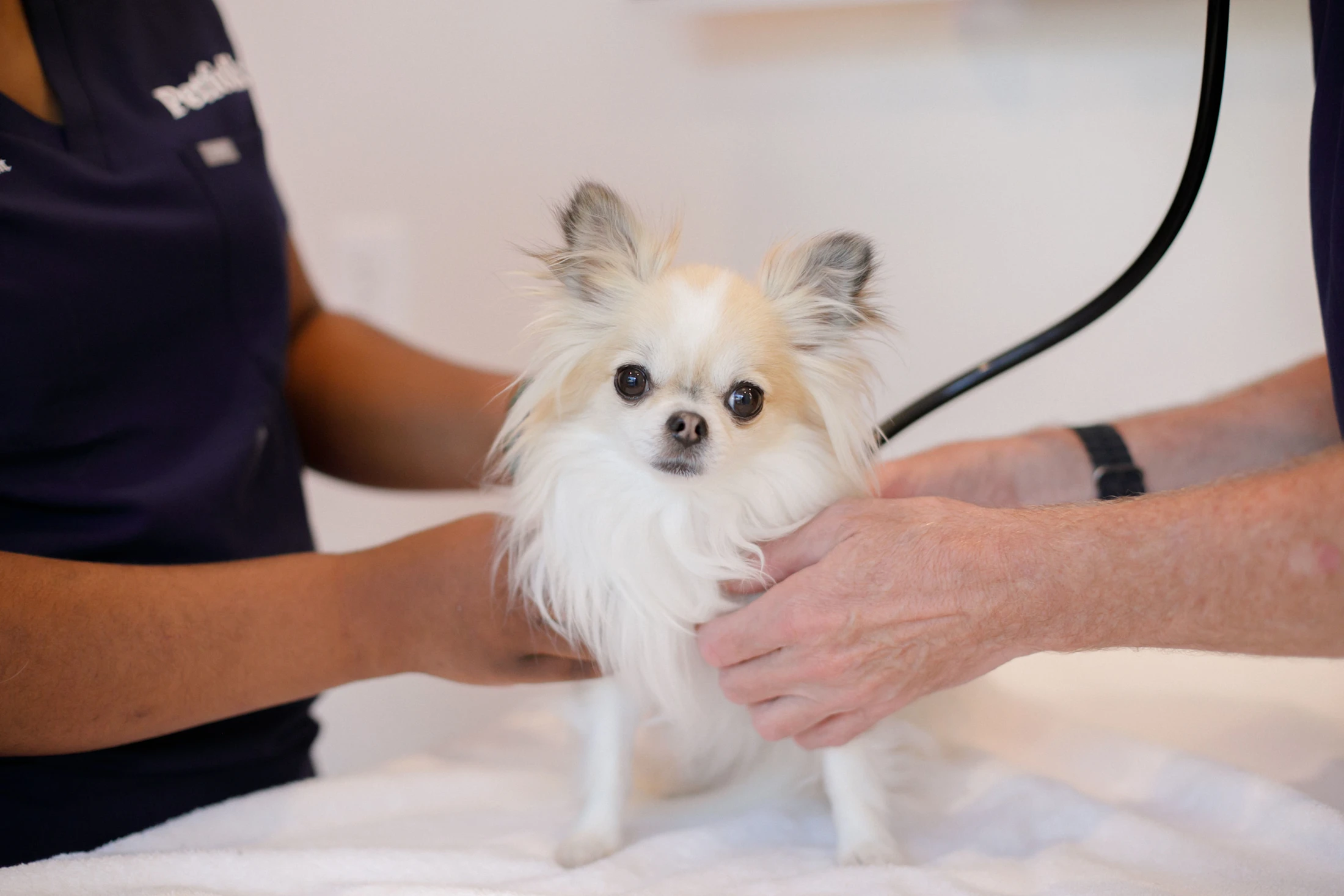
You trust your pet to show pain. Your pet hides it instead. Early disease often grows in silence. A regular visit to a veterinary clinic breaks that silence. You gain clear answers. You gain time to act. A vet checks eyes, ears, teeth, heart, lungs, skin, joints, and weight. Each check can uncover disease long before you notice signs at home. That includes cancer, kidney disease, diabetes, heart disease, and infections. Early detection means simpler treatment, lower costs, and less suffering for your pet. It also protects your family from diseases that pass from animals to people. If you see a veterinarian in Houston, TX or in a small town clinic, the goal is the same. Catch disease early. Protect your pet’s life. Protect your peace of mind. This blog explains how clinics do that and how you can help.
Why early disease detection matters for your pet
Many common pet diseases start small. You see a happy pet. The body tells a different story. Quiet problems grow in three main ways.
- Slow wear on organs such as kidneys and liver
- Hidden growths such as tumors or cysts
- Silent infections that spread through blood or joints
You often see clear signs only when damage is serious. At that point, treatment can be hard or impossible. Routine checks catch changes while treatment is simple. This means fewer emergencies. It also means fewer hard choices for your family.
The Centers for Disease Control and Prevention explains how animal health links to human health through shared diseases called zoonoses.
What a clinic looks for during routine visits
Each visit follows a clear pattern. The steps may feel simple. Together, they build a strong net that catches disease early.
- History. You share changes in eating, drinking, weight, energy, or bathroom habits.
- Physical exam. The vet uses eyes, hands, and a stethoscope to check the whole body.
- Basic tests. Blood, urine, and stool samples reveal hidden problems.
Each part focuses on three goals. Find disease risk. Spot early damage. Plan steps to prevent worse problems.
Common tests that reveal hidden disease
Routine tests look simple. The results can change the whole course of your pet’s life.
- Blood tests. These show anemia, infection, diabetes, kidney disease, and liver disease.
- Urine tests. These show kidney function, bladder infections, and crystals that lead to stones.
- Fecal tests. These find worms and other parasites that drain strength or spread to people.
- Heartworm tests. These find early infection before heart and lung damage becomes severe.
- Imaging. X-rays and ultrasound show tumors, stones, and joint problems.
The American Veterinary Medical Association explains how regular preventive care improves long-term health for pets.
How often your pet should see the vet
Visit timing depends on life stage. The pattern stays clear and simple.
| Life stage | Typical visit frequency | Main focus at visits |
|---|---|---|
| Puppies and kittens | Every 3 to 4 weeks until core vaccines finish | Growth checks, vaccines, parasite control, early birth defects |
| Healthy adults | Once a year | Full exam, vaccines, weight, dental checks, screening tests |
| Senior pets | Every 6 months | Blood and urine tests, joint checks, organ function, cancer screening |
This schedule can change with breed, size, and known disease. Your vet will adjust it for your pet.
Signs you should never ignore between visits
Routine visits are not enough by themselves. You see your pet every day. You are the first line of defense. Call your clinic if you notice any of these three patterns.
- Change in eating, drinking, or weight
- Change in energy, breathing, or movement
- Change in bathroom habits, skin, or behavior
Examples include sudden heavy thirst, slow steps on stairs, a strong smell from the mouth, or hiding from touch. These signs can be small. They still point to the real disease.
How clinics protect your family as well as your pet
Some pet diseases spread to people. These include rabies, certain worms, and some bacteria. Early checks and vaccines lower the risk to your home.
- Fecal tests find parasites before they reach people
- Vaccines stop deadly viruses such as rabies
- Skin checks find fungal infections such as ringworm
This is especially important for children, pregnant people, older adults, and anyone with a weak immune system.
How you can support early detection
You share this work with your vet. Three simple habits make a big difference.
- Keep a written log of changes in eating, drinking, and bathroom habits
- Measure food and treats to track weight gain or loss
- Check mouth, skin, and paws each week for new lumps, sores, or smells
Bring photos or a short list of concerns to each visit. This helps your vet spot patterns that point to early disease.
When cost feels like a barrier
Cost worries are real. Early visits can still save money. Treating advanced disease often needs emergency care, hospital time, or surgery. Those costs are higher than simple early treatment.
You can ask your clinic about three options. Written estimates for each plan. Payment plans. Insurance that supports preventive care. This gives you clear choices instead of crisis spending.
Protecting your pet’s future health
Early disease detection is not a luxury. It is basic care. Routine visits, simple tests, and your daily watch at home work together. They find problems when your pet still feels strong and playful.
You cannot control every disease. You can control how early you respond. Regular care at a trusted veterinary clinic gives your pet a stronger chance at a long, comfortable life. It also guards the health of everyone in your home.

