

How to Become a Certified Sterile Processing Technician in the U.S.: Steps and Requirements

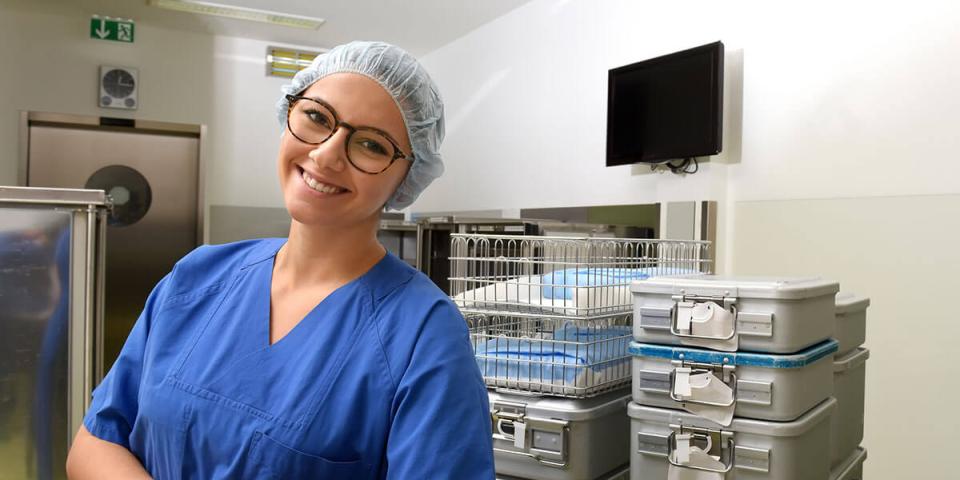
Becoming a certified sterile processing technician is a valuable career choice for anyone interested in healthcare. This field is essential in maintaining patient safety by ensuring medical instruments and equipment are sterile and free from harmful pathogens. Sterile processing technicians (SPTs) play a vital role in hospitals, surgical centers, and clinics, making sure that all instruments and equipment used in surgeries and medical procedures are properly cleaned and sterilized.
In the United States, the demand for sterile processing technicians is growing rapidly, as healthcare facilities strive to maintain high standards of hygiene and infection control. If you’re interested in pursuing this career, here’s a step – by – step guide on how to become a certified sterile processing technician training, along with information on the training, certification, and career prospects.
What Does a Sterile Processing Technician Do?
Before we dive into the certification process, it’s important to understand the role of a sterile processing technician. These professionals are responsible for the cleaning, sterilization, and maintenance of medical instruments used in surgeries and other medical procedures. The job involves several key tasks, including:
- Cleaning and decontaminating medical equipment: SPTs ensure that surgical instruments and medical devices are thoroughly cleaned to remove any organic material or contaminants.
- Sterilizing instruments: They use various methods such as steam, gas, and chemical sterilization to kill harmful bacteria and pathogens on medical equipment.
- Inspecting equipment for damage: Sterile processing technicians are trained to inspect instruments for any damage or wear that may affect their effectiveness during procedures.
- Packaging and storing instruments: After sterilization, SPTs properly package and store instruments in a way that maintains their sterility until they are needed.
- Maintaining records: They also maintain logs of all sterilization processes, ensuring compliance with safety regulations.
This critical work ensures that hospitals and medical facilities operate safely, reducing the risk of infection and ensuring positive outcomes for patients.
Step 1: Research the Job Requirements and Responsibilities
Before you commit to becoming a sterile processing technician, it’s important to understand the expectations and responsibilities of the job. In most cases, sterile processing technicians are required to have a high school diploma or equivalent. While a postsecondary education is not always mandatory, many employers prefer candidates who have completed formal training programs.
Sterile processing technicians need to be detail – oriented and have a strong understanding of medical equipment, sterilization processes, and safety protocols. It’s also essential for SPTs to have good communication skills and be able to work well in a team.
Step 2: Enroll in a Sterile Processing Technician Training Program
The next step in becoming a certified sterile processing technician is to enroll in a online sterile processing technician course. These programs are designed to provide you with the knowledge and practical skills needed to perform your job safely and effectively. The duration of the program can vary depending on the format, but most programs take between 12 and 24 weeks to complete.
When choosing a training program, it’s important to ensure that it is accredited by a recognized organization, such as the Healthcare Sterile Processing Association (HSPA) or the Certification Board for Sterile Processing and Distribution (CBSPD). Accreditation ensures that the program meets industry standards and will prepare you for the certification exam.
Many training programs offer a combination of classroom instruction and hands – on practice, allowing students to gain experience in using sterilization equipment and following sterilization procedures. You’ll learn about various sterilization methods, infection control protocols, and how to handle and maintain medical equipment.
For those who prefer flexibility, there are also online training options available, such as the Sterile Technician course from Multyprep. This program provides a 14 – week comprehensive course conducted via Zoom, allowing students to complete their training from the comfort of their own homes. The program includes live lessons, interactive activities, and access to detailed study materials and practice exams.
Step 3: Gain Hands – on Experience
While classroom training is essential, sterile processing technicians also need practical experience to master their skills. Some training programs offer internships or clinical placements as part of the curriculum, allowing you to work in a healthcare setting under the supervision of experienced professionals.
If your training program does not include hands – on experience, you may need to seek out opportunities to gain practical experience. This could involve volunteering or applying for entry – level positions in hospitals or healthcare facilities to gain exposure to the work environment.
Step 4: Pass the Certification Exam
After completing your training program, the next step is to sit for a certification exam. In the U.S., two primary organizations offer certification exams for sterile processing technicians: CBSPD and HSPA.
- Certified Registered Central Service Technician (CRCST): Offered by HSPA, this certification is the most widely recognized in the field and demonstrates that you have met the necessary knowledge and skill requirements to work as a sterile processing technician.
- Certified Sterile Processing and Distribution Technician (CBSPD): This certification is offered by the Certification Board for Sterile Processing and Distribution and is another widely recognized credential in the industry.
The certification exams typically consist of multiple – choice questions covering topics such as sterilization methods, infection control, medical terminology, equipment handling, and safety protocols. Preparing for these exams is crucial, and many training programs, like Multyprep, offer Exam Boost Workshops, which provide test strategies, question breakdowns, and focused review sessions.
Step 5: Apply for Jobs and Begin Your Career
Once you’ve passed the certification exam, you’ll be eligible to apply for jobs as a sterile processing technician. Hospitals, surgical centers, clinics, and other healthcare facilities are always in need of qualified professionals to ensure that their medical equipment is properly sterilized and maintained.
The job market for sterile processing technicians is growing, with many healthcare facilities offering competitive salaries and benefits. According to the U.S. Bureau of Labor Statistics, the median annual wage for medical equipment preparers (a category that includes sterile processing technicians) is around $46,000, with opportunities for career advancement into supervisory or managerial roles.
Additionally, many employers provide ongoing training and continuing education opportunities to help technicians stay up to date with industry standards and best practices.
Step 6: Continuing Education and Career Advancement
To maintain your certification, you will need to complete continuing education courses and recertification exams at regular intervals (usually every 3 – 5 years). Continuing education helps you stay informed about the latest developments in sterile processing, new sterilization techniques, and safety protocols.
If you’re interested in advancing your career, you may also pursue additional certifications in specialized areas of sterile processing or move into supervisory or management roles.
Becoming a certified sterile processing technician is a rewarding career choice that offers excellent job security and growth opportunities in the healthcare field. By following these steps – completing a training program, gaining hands – on experience, passing the certification exam, and starting your job search – you can begin a successful career in sterile processing.
If you’re ready to start your journey to becoming a sterile processing technician, Multyprep offers an online training program designed to help you gain the skills and certification needed to succeed in the field. With live Zoom classes, detailed study materials, and career support, Multyprep is committed to helping you achieve your career goals.


