

The Connection Between Animal Clinics And Public Health

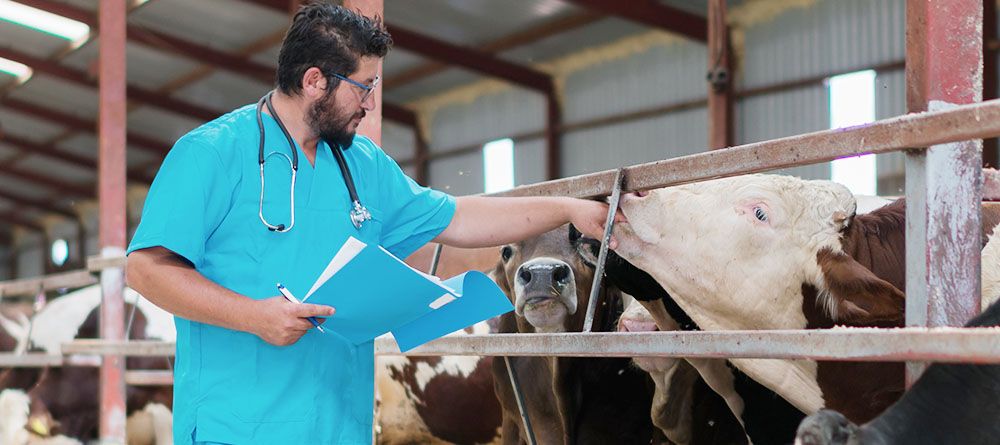
Animals share your home, streets, and parks. Their health shapes your health. When a dog carries fleas, when a cat skips vaccines, or when a backyard chicken gets sick, those risks do not stay in one place. They can move through your family and your community. That is why animal clinics matter. They do more than treat pets. They track diseases, report outbreaks, and support safe food and water. They also teach you how to protect yourself and your neighbors. In one neighborhood, an animal hospital in Cape Coral can spot a rise in tick bites and alert local health staff. In another town, a clinic can catch a new flu strain early. You may not see this quiet work. Yet it shapes the safety of schools, workplaces, and homes. This blog explains how animal clinics support public health and why you should care.
Why Your Pet’s Health Affects Your Health
Pets lick your hands. They sleep on your couch. They walk across your floors. That close contact brings comfort. It also brings germs. Many diseases can pass between animals and people. These are called zoonotic diseases.
You may face risks from:
- Bites or scratches
- Fleas, ticks, or mites in fur
- Droppings on grass, soil, or sand
- Germs on food bowls, toys, and bedding
Animal clinics help cut these risks. They give vaccines. They treat parasites. They test for infections before those infections spread through your home or town.
The Centers for Disease Control and Prevention explains that more than half of all known human infections come from animals. You can read more at CDC Zoonotic Diseases. That number shows why pet care is a public health duty, not just a personal choice.
How Animal Clinics Protect Communities
Animal clinics act like sentries for disease. They see patterns that a single family cannot see. When many pets show the same problem, that pattern can warn public health staff.
Clinics protect your community in three main ways.
1. Vaccines and parasite control
Rabies is still a threat. It kills almost every person who gets sick from it. Yet routine dog and cat vaccines keep rabies rare in the United States. Local veterinarians carry out this work every day.
Parasite control is just as important. Fleas and ticks can carry Lyme disease and other infections. Heartworms can weaken dogs and strain family budgets. Regular checkups and preventives stop many of these problems before they reach you or your children.
2. Disease tracking and reporting
When a clinic sees unusual signs, staff report them to local or state health departments. This reporting can include:
- Sudden clusters of vomiting or diarrhea in pets
- Unusual coughs or breathing trouble
- Strange bites or wounds that suggest wildlife contact
- Tick or mosquito problems in certain neighborhoods
Early reports help health teams act fast. They can test water, check wildlife, and warn schools and child care centers.
3. Education for families
Every visit is a chance to learn. Clinic staff can show you how to:
- Wash hands after handling pets
- Store pet food away from human food
- Clean litter boxes and cages safely
- Teach children gentle, safe play with animals
Simple daily steps lower the risk of sickness for your whole household.
Shared Diseases: What You Should Know
Many people think only of rabies. Yet other diseases move between animals and people more often. The table below shows a few examples.
| Disease | Main Animal Source | How It Spreads | Clinic Role |
|---|---|---|---|
| Rabies | Dogs, bats, raccoons | Bites with infected saliva | Vaccines, bite reporting, public alerts |
| Ringworm | Cats, dogs, small mammals | Skin contact or shared items | Diagnosis, treatment, cleaning guidance |
| Salmonella | Reptiles, poultry, some mammals | Contact with droppings or cages | Hygiene tips, testing, safe handling advice |
| Lyme disease | Deer and rodents via ticks | Tick bites on pets or people | Tick control, early tick reports to health staff |
These diseases can lead to missed work, school absences, and hospital stays. Strong clinic partnerships keep these burdens lower.
Public Health Partnerships With Animal Clinics
Local health agencies and veterinarians often work together under what experts call a One Health approach. Humans, animals, and the environment connect. When one part suffers, the others feel strain.
Here is how that partnership looks in daily life.
- A clinic reports a rabid bat. The health department traces people who may have touched it. Those people get treatment.
- Several dogs show tick fever. The clinic alerts officials. Crews check parks and send clear warnings to families.
- A new flu strain appears in pets. Labs test samples. Health teams watch for linked cases in people.
The U.S. Department of Agriculture explains how animal health data feed into national surveillance systems.
What You Can Do To Support Public Health
Your habits matter. You help protect your community every time you choose safe care for your animals. Start with three steps.
1. Keep regular vet visits
- Book yearly checkups for every pet.
- Keep vaccines current.
- Use flea, tick, and heartworm preventives as directed.
These visits also give you a chance to ask about new risks in your town.
2. Practice clean pet care at home
- Wash hands after play, feeding, or cleaning.
- Store pet food in sealed containers.
- Pick up waste in yards and public spaces.
Clean habits lower germs in your home and neighborhood.
3. Share information with your clinic
- Tell staff if your pet meets wildlife.
- Report sudden behavior changes or illness.
- Mention travel, boarding, or dog park visits.
These details help clinics spot outbreaks early. That early warning can protect other families you may never meet.
Why This Connection Matters To You
Animal clinics do quiet work that shields your health. They stop rabies from reaching children. They cut the spread of parasites that drain pets and people. They support clean food, water, and parks.
When you support your local clinic, you support your own safety. You also support the health of neighbors, classmates, and coworkers. Stronger pet care builds stronger communities.


