

4 Common Misconceptions About Animal Urgent Care Services

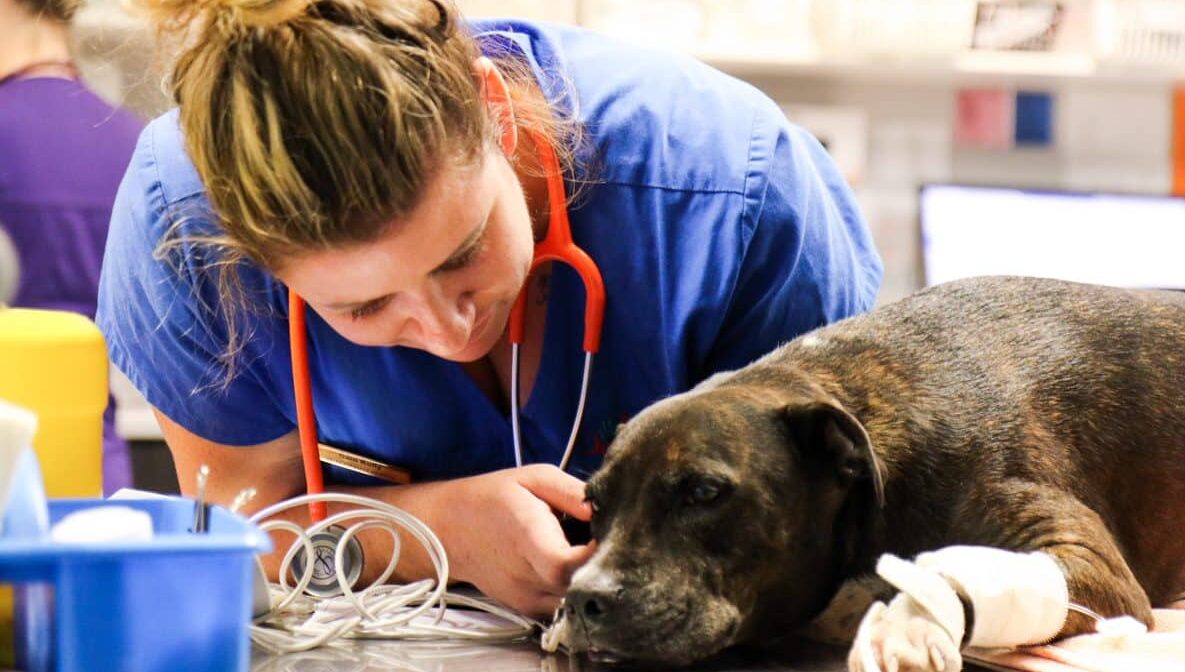
When your pet is in crisis, confusion and fear hit fast. You rush to help. Then questions flood in. Should you wait for your regular vet, go to an emergency hospital, or try urgent care Instead of clear answers, you face rumors and myths that can slow you down. This confusion puts your pet at risk. This blog clears up 4 common misconceptions about animal urgent care services so you can act with confidence. You will see when urgent care is the right choice, what it can and cannot handle, how costs really work, and how it fits with your regular veterinarian in Midlothian, Virginia. You deserve straight answers. Your pet deserves quick, smart care.
Misconception 1: “Urgent care is the same as an emergency hospital”
Many people think urgent care and emergency care are the same. They are not. Both treat sudden problems. Yet they handle different levels of risk.
Urgent care usually treats problems that need fast help but are not life threatening. Emergency hospitals treat life threatening problems that need full intensive care support.
Here is a simple comparison.
| Type of visit | Typical problems | Common services | When to choose |
|---|---|---|---|
| Urgent care | Minor cuts, ear infections, mild vomiting, simple limping | X rays, lab tests, basic wound care, pain control | When your pet is sick or hurt but still walking, breathing, and alert |
| Emergency hospital | Hit by car, trouble breathing, seizures, uncontrolled bleeding | Surgery, oxygen, intensive care, blood transfusion | When your pet might die or lose a limb without fast advanced care |
| Regular clinic visit | Checkups, vaccines, long term problems | Preventive care, chronic disease follow up | When the problem can wait for a planned appointment |
You do not need to guess alone. First call your regular clinic or an urgent care clinic. You can also review basic emergency signs from trusted sources like the U.S. Food and Drug Administration pet illness guide. Staff can listen and guide you to urgent care or to an emergency hospital.
Misconception 2: “Urgent care cannot treat serious problems”
Some people think urgent care only treats very minor issues. That belief is wrong. Urgent care teams handle many serious but stable problems.
Typical urgent care visits include:
- Deep cuts that need stitches but no heavy bleeding
- Sudden limping without bone sticking out
- Repeated vomiting or diarrhea in a still alert pet
- Pain from ear or skin infections
- Eye redness or squinting
- Minor allergic reactions like hives without breathing trouble
Urgent care clinics often have:
- X ray machines
- Blood and urine testing
- IV fluids
- Oxygen support in some cases
However they do not replace full emergency hospitals. If your pet has trouble breathing, cannot stand, is unconscious, or has heavy bleeding, go straight to an emergency hospital. The Ohio State University Veterinary Medical Center emergency guide lists clear red flag signs.
Misconception 3: “Urgent care always costs more”
Money fear often delays care. Many people assume urgent care always costs more than a regular clinic. That is not always true.
Here is a simple cost pattern in many communities. Exact numbers vary.
| Type of visit | Typical exam fee range | Usual hours | Cost pattern |
|---|---|---|---|
| Regular clinic | Lowest | Weekdays, some evenings | Least expensive, but not always fast access |
| Urgent care | Middle | Extended hours, weekends | Costs more than regular visit, less than emergency hospital in many cases |
| Emergency hospital | Highest | Open 24 hours | Highest cost because of full staff and equipment at all hours |
Urgent care can save money when it prevents a problem from turning into a crisis. A pet seen early for vomiting might need only fluids and medicine. A pet seen late might need hospital care and surgery for dehydration or blockage. That outcome costs more money and causes more pain for your pet.
You have the right to ask for an estimate before care. You can ask what is urgent, what can wait, and what each step costs. Clear questions protect your budget and your peace of mind.
Misconception 4: “Urgent care replaces your regular veterinarian”
Urgent care does not replace your regular clinic. It supports it. You still need a regular clinic for ongoing care.
Your regular clinic knows your pet history. That history includes vaccines, past illnesses, allergies, and long term medicine. This record helps with safe treatment. Regular clinics provide:
- Yearly exams and vaccines
- Dental cleanings
- Screening tests for heartworm and other infections
- Long term care for heart disease, kidney disease, or arthritis
Urgent care fills the gap when sudden problems happen outside normal hours. Strong urgent care teams share records with your regular veterinarian. That way follow up care stays smooth. You can help by keeping copies of recent lab work, medicine lists, and vaccine dates. You can bring these to any urgent visit.
How to decide where to go
When seconds feel heavy, use three simple questions.
- Is my pet breathing, conscious, and able to walk
- Is there severe bleeding, obvious broken bone, or ongoing seizure
- Has this problem been getting worse over hours instead of minutes
If your pet cannot breathe, is unconscious, has a seizure that will not stop, or has heavy bleeding, go to an emergency hospital. Do not wait. If your pet is clearly uncomfortable but still alert and breathing, urgent care is often the right choice. If the problem is mild and has been present for days, call your regular clinic first.
Final thoughts
Panic and rumors can steal time from your pet. Clear facts give you power. You now know that urgent care is different from an emergency hospital, can treat many serious but stable problems, often costs less than full emergency care, and works together with your regular veterinarian.
When trouble hits, you are not helpless. You can choose the right door, ask clear questions, and push for the care your pet needs. That calm choice can change the story of that night for both you and your pet.