

How General Dentistry Uses Imaging To Identify Early Oral Concerns

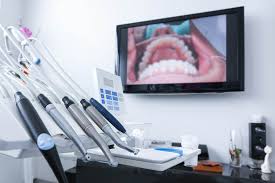
Your mouth often stays quiet when trouble first starts. Small cavities, bone loss, and tissue changes grow without pain. By the time you feel something, damage can be hard to fix. Imaging lets your dentist see what you cannot. X‑rays and digital scans show teeth, roots, and bone in sharp detail. They reveal decay between teeth, infections under fillings, and early signs of gum disease. They also show oral changes that can point to cancer. When you visit a general dentist in Bloomfield Hills, imaging helps create a clear map of your mouth. It turns guesswork into facts. It also helps you understand what is happening and why treatment matters now. Early imaging often means shorter visits, simpler care, and lower cost. It also means you keep more of your natural teeth for longer.
Why Early Imaging Matters For You And Your Family
Oral disease grows in stages. First it is small. Then it spreads. You often notice it only when you feel sharp pain, see swelling, or taste blood. At that point, you may need deep work, root canals, or extractions.
Imaging lets your dentist act long before that. You gain three things.
- Quicker treatment
- Less invasive care
- Lower long term cost
The Centers for Disease Control and Prevention explains that untreated cavities and gum disease are common in both children and adults. Imaging helps your family avoid becoming part of those numbers.
Common Dental Imaging Types And What They Show
Your dentist chooses from several imaging tools. Each one shows a different part of your mouth. Together they form a full picture of your oral health.
| Imaging Type | What It Shows | Helps Find Early |
|---|---|---|
| Bitewing X rays | Back teeth crowns and upper part of bone | Small cavities between teeth, early bone loss |
| Periapical X rays | Whole tooth from crown to root tip | Infection at root, deep decay, cracked roots |
| Panoramic X ray | Full jaw, sinuses, jaw joints | Impacted teeth, cysts, jaw problems |
| Digital intraoral photos | Surface of teeth and gums | Wear, chips, plaque, early gum changes |
| 3D cone beam CT | Three dimensional view of bone and roots | Hidden infections, bone loss, implant planning |
Each image tells part of your story. Together they guide treatment that fits your exact mouth, not a guess or a template.
How Imaging Finds Problems Before You Feel Pain
You might ask why you need X rays or scans when your teeth feel fine. The answer is simple. Pain usually means disease has reached a deeper level.
Imaging can show:
- Shadows between teeth that mark early decay
- Thin bone around teeth that shows early gum disease
- Changes in root shape that suggest infection
- White or dark patches that can signal early oral cancer
- Teeth trapped in bone that can upset your bite later
Early signs are often tiny. You cannot see them in a bathroom mirror. Your dentist cannot see them with a light alone. The National Institute of Dental and Craniofacial Research explains that early detection of cavities and gum disease helps prevent tooth loss.
Safety Of Dental X Rays For Children And Adults
Many parents worry about radiation. That concern is understandable. You deserve clear facts, not vague claims.
Dental X rays use low radiation. A set of routine bitewing X rays uses a small fraction of the radiation you receive from natural background sources each year. Lead aprons and thyroid collars lower exposure even more. Digital sensors also require less radiation than older film.
Your dentist follows the rule of three steps.
- Use imaging only when needed
- Use the lowest radiation that still gives a clear image
- Review past images before ordering new ones
Children usually need X rays more often than adults. Their teeth and jaws change fast. Early decay also grows faster in young teeth. Thoughtful imaging helps protect their future smiles.
How Often You May Need Imaging
There is no single schedule that fits every person. Your dentist will look at your age, oral health, and risk for decay or gum disease. Then you can decide together.
In general:
- Children with low risk may need bitewing X rays every one to two years
- Children with high risk may need them every six to twelve months
- Adults with healthy mouths may need bitewings every one to three years
- Adults with many fillings or gum disease may need them more often
Panoramic or 3D scans are less frequent. You may need them for wisdom teeth, implants, or major jaw concerns.
What To Expect During An Imaging Visit
Knowing what will happen can lower fear for you and your children.
- You wear a lead apron. The staff may place a collar around your neck.
- A small sensor or film goes next to your teeth or under your tongue.
- You bite down gently and stay still for a few seconds.
- The staff steps back to press the button.
- The image appears on a screen.
For a panoramic or cone beam scan, you stand or sit in a machine. A part of the unit moves around your head. You do not feel anything. The scan usually finishes in less than one minute.
How Imaging Supports Clear, Honest Treatment Plans
Imaging is not just for your dentist. It is also for you. When you see your own images, you gain control.
Your dentist can:
- Show you where decay has started
- Point out bone loss around teeth
- Mark spots that need watching
- Compare past and current images to show change
This helps you decide between options. For example, you can treat a small shadow with a simple filling now. Or you can wait and risk a deep cavity that reaches the nerve. Images make that choice real, not abstract.
Using Imaging To Protect Your Long Term Health
Oral health connects to your whole body. Untreated oral infection links to heart disease, diabetes control problems, and pregnancy issues. Early imaging helps catch trouble before it spreads and strains your body.
You give yourself three long term gifts when you agree to smart imaging.
- Stronger teeth that last longer
- Lower chance of dental emergencies
- Clear records for any future treatment
Each image acts like a time stamp. Years from now, your dentist can look back and see how your mouth has changed. That history supports better choices and calmer visits.
Imaging does not replace daily care. You still need brushing, flossing, and regular checkups. Yet imaging gives your dentist the early warning system that protects your smile and your health before pain forces you into the chair.


