

How Orthodontics Can Help With Jaw Alignment And Bite Issues

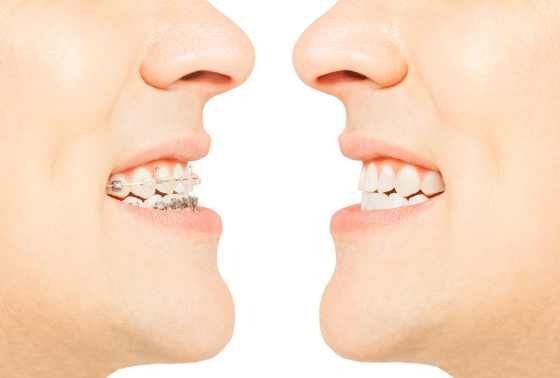
Jaw pain, clicking, or wear on your teeth can drain your energy and mood. You might avoid certain foods. You might hide your smile. Jaw alignment and bite issues often start small. Then they slowly change how you eat, speak, and sleep. Orthodontic care can guide your teeth and jaws into a healthier position. This can ease strain on your joints and muscles. It can also protect your teeth from damage. In this blog, you will see how braces, clear aligners, and other tools can correct crowded teeth, overbites, underbites, and crossbites. You will also learn when to seek help and what to expect during treatment. If you live near an orthodontist Torrance CA, you can use these steps to ask focused questions and plan your next move. You deserve a jaw that works with you, not against you.
What a “Healthy Bite” Looks Like
You can start by knowing what a healthy bite is. When you close your mouth:
- Your upper teeth rest slightly in front of your lower teeth
- Your back teeth fit together like matching puzzle pieces
- Your jaw joints move without noise or locking
- Your teeth touch evenly without one tooth taking all the force
When this balance is off, your muscles and joints work harder. Over time this can cause pain, headaches, broken teeth, or gum problems. The American Dental Association explains that orthodontic care can improve both function and comfort, not just appearance.
Common Bite Problems Orthodontics Can Treat
Orthodontics can guide tooth and jaw growth in children. It can also correct many bite problems in adults. Three common patterns include:
- Overbite. Upper teeth stick out far over the lower teeth. This can cause front tooth wear or lip biting.
- Underbite. Lower teeth sit in front of the upper teeth. This can make chewing hard and strain the jaw.
- Crossbite. Some upper teeth bite inside the lower teeth. This can wear teeth and shift the jaw to one side.
Other concerns include open bite, crowded teeth, and gaps. Each pattern affects how your jaw moves and rests. Orthodontic care aims to bring the teeth and jaws into a more even position so muscles and joints can relax.
How Orthodontics Changes Jaw Alignment
Orthodontic treatment uses gentle, steady forces over time. These forces guide teeth through the bone into better positions. In growing children, treatment can also guide jaw growth. In adults, it can often improve the way the upper and lower teeth meet and reduce strain on the joints.
Three main tools help with jaw and bite issues.
- Braces. Small brackets and wires move teeth in small steps. Braces can correct crowding, rotations, and complex bite issues.
- Clear aligners. Custom trays move teeth a little at a time. They work well for many bite issues when worn as directed.
- Jaw growth or positioning devices. These include expanders, headgear, and other appliances. They are used more often in children and teens.
The National Institute of Dental and Craniofacial Research explains that misaligned teeth and jaws can affect chewing and speaking and can wear teeth.
Comparison of Common Orthodontic Options
You can use this table to compare common choices for bite and jaw issues. Your care plan may blend more than one method.
| Treatment type | Best for | Jaw alignment impact | Wear and care |
|---|---|---|---|
| Metal or ceramic braces | Most bite issues, crowded or rotated teeth | Strong ability to guide bite and support jaw balance | Fixed to teeth. You brush and floss with special tools. |
| Clear aligners | Mild to moderate crowding and many overbite or crossbite cases | Can improve bite and reduce strain when worn as directed | Removable. You wear 20 to 22 hours each day and remove to eat. |
| Palate expander or similar device | Narrow upper jaw, crossbite in growing children | Widens upper jaw to help teeth and jaw fit better | Fixed. A parent or caregiver may turn a key as directed. |
| Orthognathic surgery with braces | Severe jaw mismatch in adults | Changes jaw position to improve bite and airway | Braces before and after surgery. Close follow up with your team. |
Signs You Should Ask About Your Bite
You do not need to wait for severe pain. You can ask for an orthodontic check if you notice:
- Jaw pain, tightness, or frequent headaches
- Clicking, popping, or locking when you open wide
- Teeth that do not touch on one side
- Front teeth that hit hard or wear down
- Chipped teeth without a clear cause
- Difficulty biting into foods or chewing on both sides
- Children who mouth breathe, snore, or chew on one side
You can start with a general dentist. Many dentists check your bite at regular visits and can refer you to an orthodontic specialist when needed.
What to Expect During Orthodontic Treatment
Orthodontic care follows a clear path. This can ease fear for you and your family.
- Step one. Evaluation. You share your concerns. The orthodontist checks your teeth, jaw joints, muscles, and face. X rays, photos, and digital scans help measure your bite.
- Step two. Plan. You review goals, options, cost, and time. You can ask how each option may change your bite and jaw comfort.
- Step three. Active treatment. Braces or aligners move your teeth. You visit for adjustments or new trays. Mild soreness is common for a short time after each change.
- Step four. Retention. Retainers hold your new bite. This step protects your time, effort, and money.
During treatment you need three habits.
- Daily brushing and flossing to prevent cavities and gum problems
- Healthy food choices that avoid hard or sticky foods that can damage appliances
- Regular checkups so small issues do not grow into setbacks
Helping Your Child or Teen Through Treatment
Children and teens often feel nervous or self conscious. You can help with three simple actions.
- Explain the “why.” Share that treatment can ease pain, protect teeth, and improve chewing.
- Set routines. Make brushing and aligner wear part of morning and night habits.
- Stay present. Attend visits, ask questions, and praise steady effort.
When your child understands that a healthy bite can ease headaches, neck strain, and dental emergencies, treatment feels less like a burden and more like a smart step.
Protecting Your Results for Life
Once your teeth and jaw fit better, you will want to keep that comfort. You can protect your results if you:
- Wear retainers as directed
- Use a night guard if you grind your teeth
- See your dentist for cleanings and checkups
- Avoid chewing ice or hard objects
Jaw alignment and bite issues can drain your strength and joy. Orthodontic care offers a clear path toward less pain and stronger function. With the right plan and steady habits, you can chew with ease, speak with comfort, and smile without holding back.


