

From traffic violation to personal injury claim: How illegal driving behaviors impact New Jersey accident lawsuits

Illegal traffic maneuvers can transform a routine drive into a life-changing event, raising complex questions about fault and compensation under New Jersey law. When such violations result in accidents, determining liability often involves examining a range of evidence and understanding comparative fault principles. This article explores how illegal driving behaviors shape personal injury claims in New Jersey, especially within the context of local legal processes in bergen county.
Illegal driving behaviors, such as running red lights, speeding, or making unsafe lane changes, frequently lead to severe roadway accidents. In New Jersey, these violations form a central issue when an injured person seeks compensation, including lost wages while recovering. Establishing how and why the accident occurred is essential, and both victims and alleged at-fault drivers are subject to scrutiny under the state’s comparative negligence law. Navigating these legal challenges may require local resources, such as consulting a Hackensack personal injury lawyer, who understands how police reports and citations can influence civil claims. Recognizing the role of unlawful driving behaviors is the first step in understanding the broader impacts on accident lawsuits, including the settlement process.
The role of traffic violations in accident fault determination
Traffic violations often serve as a key starting point for assigning blame after an accident. New Jersey’s legal system considers behaviors like excessive speeding, disregarding traffic signals, or driving under the influence when analyzing how a collision happened, and reckless driving allegations can heavily shape that analysis. These factors usually constitute clear breaches of duty on the road and may establish a primary basis for civil liability, affecting pain and suffering compensation.
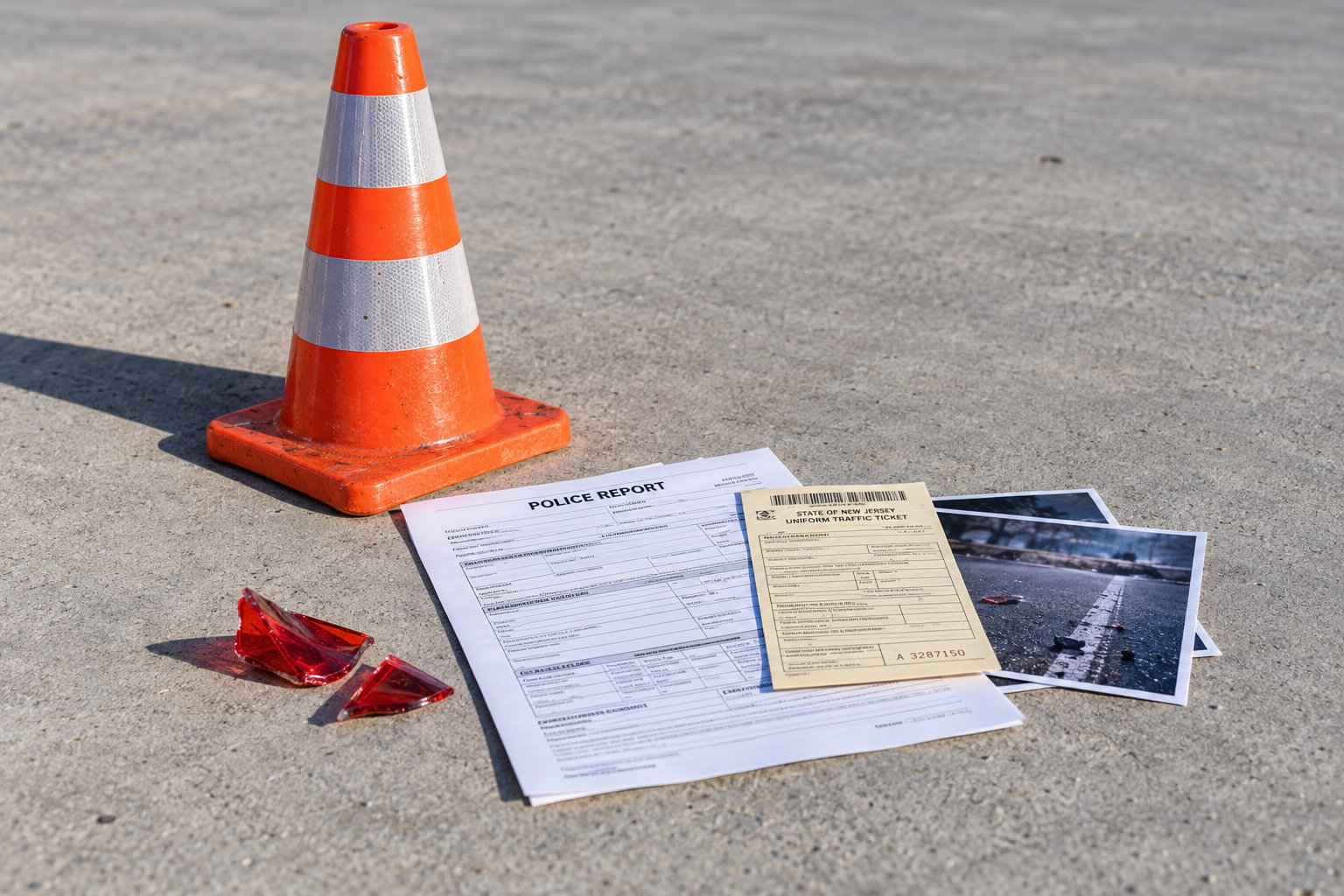
When police arrive at the scene, their reports usually note any citations issued and record observed violations. This documentation becomes pivotal evidence in subsequent insurance discussions or legal proceedings, tying specific illegal actions to the cause of injury. In bergen county, insurers may scrutinize citations closely when evaluating claims. Traffic infractions not only carry their own consequences but can critically influence the degree of fault assigned to each party involved and the settlement process.
Comparative negligence and shared responsibility in New Jersey
New Jersey applies the doctrine of comparative negligence to personal injury claims. This means that even if a victim is partly responsible for the accident, they can still seek compensation, provided their share of fault does not exceed 50 percent. The amount recovered, however, is reduced to reflect the claimant’s percentage of responsibility, as determined by evidence and legal arguments, including documentation of lost wages.
For instance, if both drivers contributed to a crash, one through a traffic violation and the other by distracted driving, each party’s role will be examined. The injured person can still file a lawsuit if their fault is determined to be 50 percent or less, though any court award or settlement will be lowered accordingly. When the harm includes traumatic brain injury, disputes over percentages can become more contentious. This approach underscores the importance of gathering strong evidence regarding all illegal behaviors related to the accident, including reckless driving.
Critical evidence: Police reports, citations, and witness statements
Solid documentation is a cornerstone of any personal injury claim involving illegal driving. Police reports detail the sequence of events, note traffic citations, and often contain officer observations about road conditions or driver behavior. These reports may also cite statements from witnesses, helping to reconstruct the facts of the case, which can be important in proving traumatic brain injury damages.
Alongside police findings, photographs from the scene, medical records, and repair estimates provide additional layers of proof. Witness accounts can clarify who committed the violation and how those actions contributed to the crash. All this material helps paint a clear picture for insurance adjusters or a jury, and may determine how much compensation is possible given a claimant’s share of responsibility, including pain and suffering compensation.
Navigating accident lawsuits after an illegal traffic maneuver
When pursuing a personal injury claim following an illegal traffic act, organizing evidence and understanding fault rules are critical. Victims often face questions from insurance companies regarding their own actions and the violation itself. Demonstrating a thorough account of the incident, supported by documents and professional assessments, can influence both settlement negotiations and trial outcomes, especially when traumatic brain injury is alleged.
Securing guidance from a legal professional is sometimes necessary to navigate these complexities. Firms with experience in New Jersey accident litigation, such as Varcadipane & Pinnisi, P.C, may assist clients in compiling the necessary reports, photographs, and records to strengthen their position. This process can also help quantify lost wages and guide the settlement process. In matters involving reckless driving, careful documentation supports those injured by illegal driving and underscores how New Jersey laws balance liability, documentation, and fair compensation in accident lawsuits, including pain and suffering compensation.


