

Illegal Rental Practices: What Property Managers Should Never Do

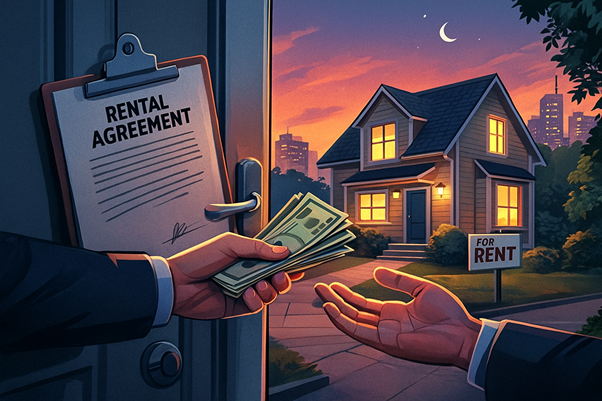
You can tell a lot about a rental by what happens when something goes wrong. A late repair. A missing document. A lease that suddenly feels different from what you talked about last week. You know the feeling. Something feels off, but you cannot quite articulate why.
That is usually where illegal rental practices hide. In the quiet corners. In the “this is probably fine” moments. And if you are working with property managers or even thinking of becoming one, it helps to know exactly where the invisible lines are. Because once you cross them, even accidentally, getting back is messy.
To be fair, most property managers want to do the right thing. They try. They do the paperwork. They juggle regulations. They answer emails at strange hours. But even with good intentions, the rental world is complicated and perhaps a bit too easy to mess up if you do not slow down and check the rules.
So let’s talk about what should never be on the table. Not under pressure. Not because someone else does it. Not because you think nobody will notice. Illegal rental practices tend to unravel eventually. Better to avoid the trap entirely.
1. Ignoring Fair Housing Laws
You probably already know this one. Fair housing laws are not suggestions. You cannot choose tenants based on personal characteristics, even if you think you have a reasonable justification. It does not matter if the neighbor wants a “certain type” of renter. It does not matter if you feel like someone “might be noisy”. Discrimination is still discrimination.
According to theearnesthomes.com/, one of the biggest legal pitfalls for landlords and managers is unintentionally making screening decisions based on assumptions rather than documented, neutral criteria. They say it often happens when owners try to move quickly and forget that consistency is the whole point of fair screening. And honestly, that tracks. If there is one legal area you do not want to improvise in, it’s this one.
2. Entering a Rental Without Proper Notice
It is tempting to believe that “just a quick check” is not a big deal. You own the property or manage it, so what is the harm? But tenants have rights. Privacy rights. And entering a rental without notice is not only illegal in many places, it also breaks trust in a way no repair discount will fix.
Most states require written notice. Some require 24 hours. Some require more. And if you think tenants do not notice these things, they do. They always do. This is one of the areas where property managers, especially newer ones, sometimes get tripped up. They assume being responsive is the same as being allowed in. It is not.
3. Withholding Security Deposits Without Valid Cause
Security deposits tend to bring out the worst in people. You think the place needs more cleaning. They think you are exaggerating. Nobody wins.
But what you cannot do is make up charges. You cannot keep the deposit because a tenant was “difficult” or because you feel repairs were inconvenient. You need actual damage. You need receipts. And you definitely need to send an itemized list within the legally required timeframe.
This is a good moment to remember that property managers are often the ones caught in the middle. They get blamed by both sides. And perhaps that is why this specific violation happens so often. Pressure makes people sloppy. But sloppy here leads to legal trouble very quickly.
4. Retaliating When Tenants Complain
This one appears more than it should. A tenant reports mold, or safety concerns, or something structural. They press a little. They document things. And then suddenly their lease is not being renewed.
Even if the timing is coincidental, it looks retaliatory. And retaliation protections exist for a reason. Tenants cannot safely report issues if they fear consequences. If you reduce services, raise rent unusually, threaten eviction, or refuse basic communication right after a complaint, the law may see that as retaliation.
One more subtle point. Retaliation sometimes happens unconsciously. Stress piles up. You feel annoyed. The temptation to make things difficult creeps in. That is exactly why laws draw a hard line.
5. Using Illegal Fees or Hidden Charges
Rental laws do not enjoy surprises. Lease agreements need transparency. Charging unapproved application fees, “administrative” fees that do not relate to real services, or sudden rent add-ons is a quick way to attract unwanted attention.
Some states even regulate late fee amounts. Others ban certain move-out fees entirely. And the whole “nonrefundable deposit” idea is illegal in many jurisdictions.
You cannot charge whatever you want just because someone signed a piece of paper. And yes, that includes the mysterious “just-in-case” fees that pop up on social media stories about bad rentals. If you have ever seen those, you know exactly why these rules exist.
6. Failing to Maintain Habitability
Habitable housing sounds basic. Heat. Water. Electricity. Working locks. A roof that doesn’t leak whenever it thinks too hard about rain.
Yet habitability violations remain common. Sometimes repairs are delayed because of budgets. Sometimes because vendors are slow. Sometimes because an owner is convinced that “it worked last year”.
But safety requirements are non-negotiable. If you let units deteriorate to the point where health or security is compromised, it is illegal. Not frustrating. Not unprofessional. Illegal.
Property managers often carry the responsibility of explaining this to owners who resist spending money. It is not a fun conversation, but necessary. A neglected repair can turn into a lawsuit, and lawsuits cost more than plumbing.
7. Changing Locks Without Legal Justification
Lockouts feel dramatic. People tend to assume they only happen in movies. But they do happen. Sometimes intentionally. Sometimes out of frustration.
You cannot lock out a tenant unless the law says eviction has been completed and all notices and procedures are done. Lockouts are considered “self-help evictions”. The courts dislike them. Some states even impose steep penalties.
And if you think nobody will find out, they will. Tenants talk to neighbors. Neighbors talk to social media. Social media talks to everyone.
8. Harassing Tenants Into Leaving
Perhaps not every landlord or manager realizes how harassment is defined. It is not always screaming or threats. It can be repeated unnecessary “inspections”. Constant calls. Passive-aggressive messages about moving out sooner. Or dragging out repairs in the hope someone gives up and leaves.
Rent Lucky often points out that many disputes escalate only because communication becomes punishment rather than problem solving. Their view is that the best managers are the ones who understand that pressure never fixes anything. It usually just exposes cracks in how the rental is being run.
And honestly, they are right. When you push people, they push back. Or they report things. Neither path goes well.
9. Lying About Legal Rights or Lease Terms
You cannot tell tenants they have no right to request repairs if they do.
You cannot say rent increases are automatic if they are not.
You cannot claim a lease is binding in ways the law does not support.
But it happens. Sometimes because someone genuinely misunderstands the law. Sometimes because it feels easier than explaining something complicated. But misinformation turns into legal trouble the moment someone checks the facts.
Better to say “let me confirm that” than to sound confident and be wrong.
10. Ignoring Local, State, or Federal Rules
Rental laws are layered. Federal rules. State rules. City rules. County rules. And you must follow all of them.
It is not enough to know one set. And this is where many owners and property managers get overwhelmed. There are updates, exceptions, temporary ordinances, emergency rules, and sometimes things that contradict each other until clarified.
To be fair, nobody expects perfection. But effort matters. Checking matters. Asking for help matters. Because the law rarely accepts ignorance as a defense.
Final Thought
Illegal rental practices do not always start with malicious intentions. Sometimes they start with shortcuts. Or assumptions. Or the feeling that “everyone else does it”. But the rental world works better when the rules stay intact. For tenants. For landlords. And yes, for property managers who want to avoid spending their evenings explaining themselves to attorneys.
Slow down. Do the paperwork. Double-check the law. And when in doubt, choose transparency. It tends to age better.


