

When Traffic Violations Become Criminal Offenses: What You Need to Know

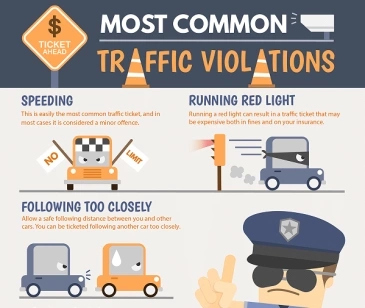
Key Takeaways
- Traffic violations range from minor civil infractions to serious criminal offenses.
- Certain actions, such as reckless driving or DUI, can result in criminal charges.
- The legal consequences for criminal traffic offenses are far more severe than for routine citations.
- Laws vary significantly by state; staying informed ensures compliance and reduces risks.
How Traffic Violations Cross the Line into Criminal Offenses
Traffic violations are often treated as minor infractions, typically resulting in fines or points on a driver’s license. However, certain behaviors—such as driving under the influence, reckless driving, or fleeing the scene of an accident—can escalate these offenses into criminal matters. When a violation poses a significant risk to public safety or causes injury, law enforcement and courts may classify it under criminal law, carrying more severe penalties, including jail time, probation, or a permanent criminal record.
Understanding the distinction between civil traffic infractions and criminal offenses is crucial for drivers. Legal frameworks exist to address these escalated cases, ensuring accountability and public safety. Consulting resources that explain how traffic violations intersect with criminal law can help individuals navigate potential legal consequences responsibly and make informed decisions while driving. Being aware of the consequences also encourages safer driving habits. Additionally, early legal guidance can help mitigate long-term impacts on one’s record and insurance rates.
Common Criminal Traffic Offenses
Common criminal traffic offenses go beyond typical speeding or parking violations and often involve actions that pose serious risks to public safety. Examples include driving under the influence (DUI), reckless driving, hit-and-run incidents, and vehicular assault. These offenses can result in severe legal consequences, including fines, license suspension, or imprisonment. Navigating the complexities of these cases often requires specialized knowledge of criminal law and local regulations. Engaging traffic lawyer services can provide essential guidance, helping individuals understand their rights, explore possible defenses, and ensure that legal proceedings are handled appropriately while mitigating potential long-term impacts on their record and driving privileges.
Consequences of Criminal Traffic Charges
The repercussions for criminal traffic offenses go far beyond a simple fine. Convictions may result in jail time, probation, large fines, community service, and mandatory attendance in driver or substance abuse programs. A criminal conviction remains on your record and can negatively impact job prospects, insurance premiums, travel opportunities, and personal relationships.
In some states, accumulating too many points or committing repeated offenses may result in license suspensions or permanent revocation. For more serious felonies—such as vehicular manslaughter—incarceration could span several years, with long-term restrictions even after serving time.
How State Laws Affect Traffic Offenses
Traffic laws are shaped at the state level and can vary widely. For example, reckless driving is classified differently in New York than in California. Nevada recently enacted legislation to decriminalize certain traffic tickets, thereby reducing the burden on both drivers and courts by treating these matters as civil, rather than criminal, offenses. Understanding the unique laws in your area is essential so you know your responsibilities and rights if you ever face charges. Some jurisdictions have also introduced restorative approaches or increased penalties for high-risk behaviors, further emphasizing the importance of staying updated on local traffic regulations.
Steps to Take if You’re Charged with a Criminal Traffic Offense
If you are charged with a criminal traffic violation, it’s crucial to remain calm and proactive. First, seek legal representation immediately—many attorneys specialize in defending these cases and can advise you on possible defenses and procedural rights. Collect all documents, including any police reports, citations, and court paperwork. Avoid speaking to authorities without an attorney present, as anything you say can be used in court. Your legal team can negotiate with prosecutors and help you understand potential outcomes and plea options.
Conclusion
While many traffic violations are minor, actions that endanger others or demonstrate blatant disregard for the law can quickly escalate to criminal offenses with long-lasting and serious consequences. Knowing when a violation crosses that line, staying up to date on state-specific laws, and consulting a legal professional are your best defenses against unnecessary hardship. Responsible driving not only keeps you safer but also protects your future from the heavy costs of a criminal record.


