

Why General Dentistry Is Key To Detecting Oral Cancer Early

You might be feeling a quiet worry in the back of your mind. Maybe you have a spot in your mouth that has not gone away, a sore that keeps coming back, or you simply realized it has been a long time since your last dental checkup with a Smithfield dentist. You hear about oral cancer on the news now and then, and you wonder if you would even know the signs in time.end
That worry is real. Oral cancer often starts quietly. It does not always hurt. It does not always look scary. Life is busy, so you shrug it off, tell yourself you will “watch it,” and months pass. Then one day you think, “What if I am missing something important?”
The good news is that you are not powerless. Regular visits to a general dentist are one of the simplest ways to catch oral cancer early, when it is most treatable and when treatment is usually less aggressive. A routine exam is not just about cavities and cleanings. It is a trained set of eyes and hands checking your lips, tongue, cheeks, and throat for tiny changes you might never notice on your own.
So where does that leave you? It means you can use something you probably already know and trust, your general dentist, as your first line of defense against oral cancer.
Why does early oral cancer detection matter so much?
Oral cancer can affect the lips, tongue, gums, inner cheeks, the floor of the mouth, the roof of the mouth, and the throat. In its early stages, it may look like a small white or red patch, a lump, or a sore that simply will not heal. You might feel a slight change when you swallow or speak. Often there is no pain at all.
The problem is that by the time obvious symptoms appear, the disease can already be advanced. According to public health data, survival rates are significantly higher when oral cancer is found early, before it has spread. Treatments can be less intense, with better chances of protecting your ability to speak, eat, and live normally.
You can read more about how health professionals think about early detection in this guide to detecting oral cancer from the National Institute of Dental and Craniofacial Research.
Because of this, waiting to “see what happens” can be risky. A sore that lingers for weeks, a patch that slowly changes, or a lump that feels different from the other side of your mouth deserves attention. Not panic, but attention.
How does your general dentist become your early warning system?
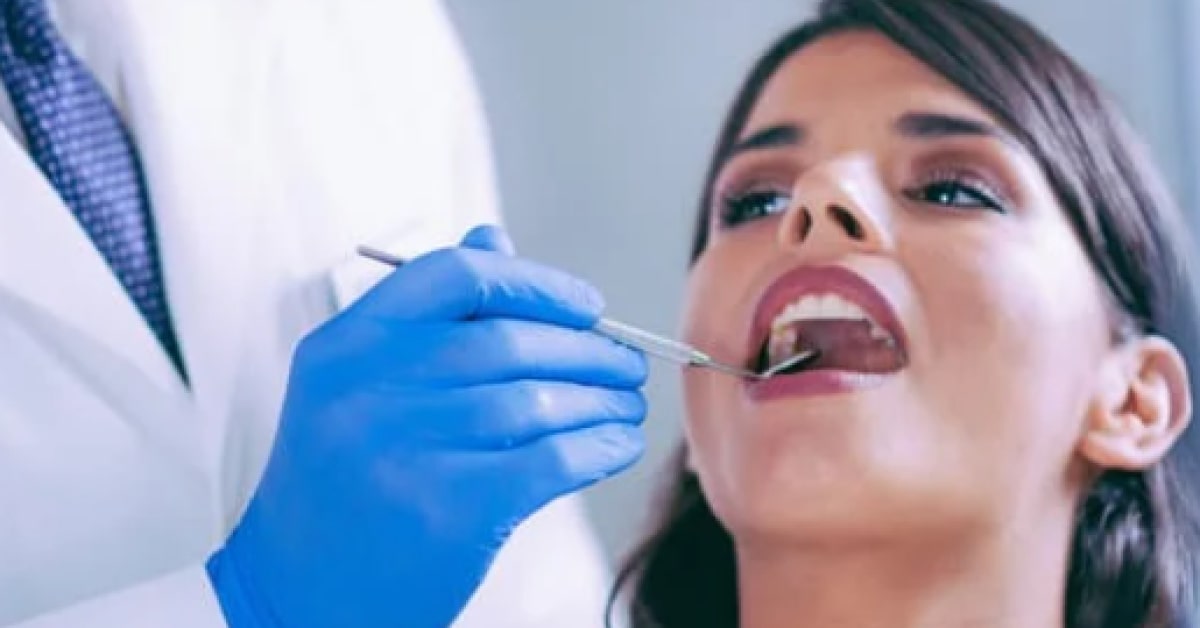
You might picture a general dental visit as a quick look at your teeth followed by a cleaning. In reality, a thorough exam includes a step-by-step check of your entire mouth and related areas. This is where early oral cancer screening by a general dentist quietly fits into your life.
During a routine visit, your dentist and hygienist can:
- Look at your lips, tongue, cheeks, and gums for unusual spots, patches, or sores
- Check the floor and roof of your mouth for changes in color or texture
- Gently feel your jaw and neck for lumps or swollen lymph nodes
- Ask about symptoms such as pain, numbness, difficulty swallowing, or changes in your bite
They do this every day, with many different patients, which sharpens their ability to notice what “does not look right.” If something seems suspicious, they can monitor it closely or refer you to a specialist for further tests.
Public health programs consistently encourage general dentists to play this role. For example, the Health Resources and Services Administration explains in its report on oral cancer early detection that routine dental care is a key touchpoint for catching disease before it advances.
So, the checkup you thought was “just a cleaning” is actually a quiet safety net for your long-term health.
What happens if you ignore regular dental visits?
It can help to be honest about the risks. Skipping general dentistry for years is common. Life gets in the way, money is tight, or you had a bad experience in the past. You might feel embarrassed about the condition of your teeth or afraid of being judged.
Here is the hard part. When you stay away, small problems do not stay small. Gum disease can progress, decay can spread, and if a suspicious spot develops, there is no trained professional checking on it. By the time you feel you cannot ignore it anymore, treatment may be more complex, more expensive, and more stressful.
On the other hand, when you keep up with routine exams, your dentist can catch problems early. That applies to cavities and gum disease, and it also applies to oral cancer detection through general dentistry. Early detection often means more treatment options and a better chance of protecting your quality of life.
If you want to understand what dentists look for, the American Dental Association has a helpful overview of head and neck cancers and oral signs that dentists watch during exams.
Routine checkups vs “waiting it out” for oral cancer concerns
You might still wonder whether it really makes a difference to see a general dentist regularly, or if you can simply watch your mouth on your own. The comparison below can help clarify what is at stake.
| Approach | What It Looks Like | Potential Benefits | Potential Risks |
|---|---|---|---|
| Regular visits to a general dentist | Checkups every 6 to 12 months, professional exams of teeth, gums, tongue, and throat, follow up on any changes | Higher chance of early oral cancer detection, smaller and less costly treatments, peace of mind from expert monitoring | Visit costs, time off work, possible short-term anxiety about appointments |
| “Wait and see” at home | Self-checking in the mirror, ignoring minor soreness or spots, seeking care only when something hurts badly | No appointment costs in the short term, less time spent in clinics initially | Increased risk of late cancer diagnosis, more complex and expensive treatment, higher emotional and physical burden |
| Only visiting when in pain | Emergency visits for severe toothaches or visible problems, no ongoing relationship with a dentist | Immediate relief for urgent issues, focused care for acute problems | Missed opportunity for early screening, recurring crises, little prevention, possible higher long-term costs |
When you see it side by side, the pattern is clear. Using general dentistry as ongoing care gives you a steady watch on your oral health instead of waiting for a crisis to force your hand.
Three practical steps you can take right now
It is easy to feel overwhelmed by medical information, especially when the word “cancer” appears. You do not need to fix everything today. You only need a clear next move.
1. Schedule a general dental exam within the next 30 days
If it has been more than a year since your last visit, choose a general dentist and book an exam. When you call, you can say something as simple as, “I want a routine checkup and I am also concerned about oral cancer screening.” This gives the office a clear reason for your visit and helps you feel more in control.
2. Pay attention to warning signs between visits
While a general dentist is your main partner, you still know your own body best. Make a mental note to seek care if you notice any of these lasting more than 2 weeks:
- A sore in your mouth that does not heal
- A lump, thickened area, or rough spot
- White or red patches inside your mouth
- Unexplained numbness, pain, or tenderness
- Persistent hoarseness or difficulty swallowing
You do not need to decide what it is. Your job is simply to notice and then bring it to your dentist’s attention.
3. Share your risk factors honestly with your dentist
Certain habits and histories can increase oral cancer risk, such as tobacco use, heavy alcohol use, prolonged sun exposure to the lips, a history of HPV, or previous head and neck cancers. It can feel uncomfortable to talk about these, yet your dentist is not there to judge. They are there to protect you. When they know your full picture, they can tailor your exams and may suggest more frequent screenings if needed.
Moving forward with less fear and more control
You might still feel some worry, and that is understandable. The thought of oral cancer is heavy. At the same time, you now know that you are not helpless. Regular care from a trusted general dentist gives you a realistic, practical way to protect yourself. Routine exams, simple questions, and quick checks of your mouth can be the difference between catching a problem early and facing it too late.
Every time you choose to schedule a visit, keep the appointment, and speak up about changes you notice, you are taking care of your future self. You are giving yourself more options, more time, and more peace of mind.
You do not need to do everything perfectly. You just need to keep moving toward steady, consistent general dental care, and allow your dentist to stand with you in guarding your health.


